Suspects
Exhibition at Palacio Paredes (Brazilian Embassy in Argentina), curated by Nara Cristina Santos. June 9 – July 25, 2026. Photos: Georgina García
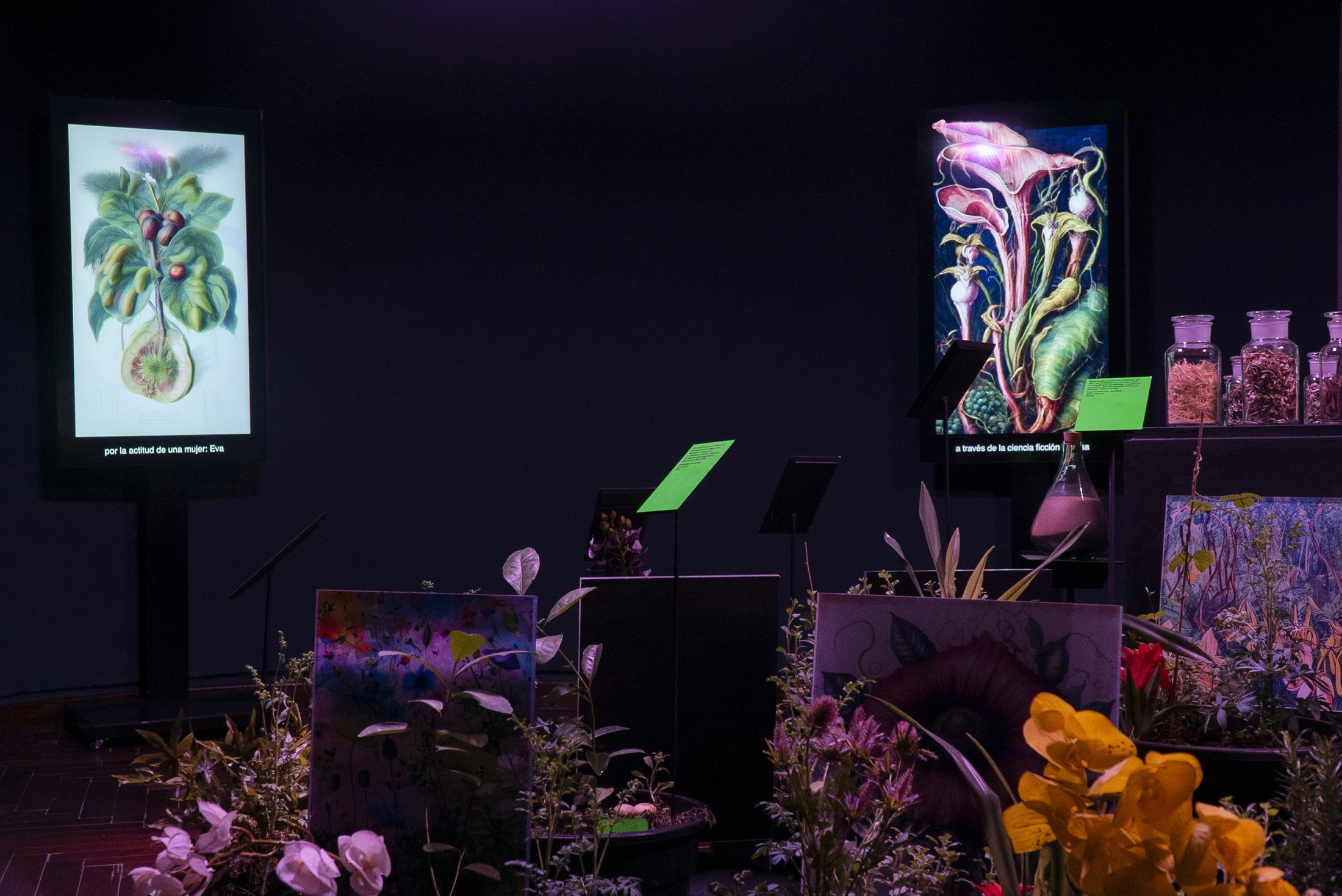
Exhibition at Palacio Paredes (Brazilian Embassy in Argentina), curated by Nara Cristina Santos. June 9 – July 25, 2026. Photos: Georgina García
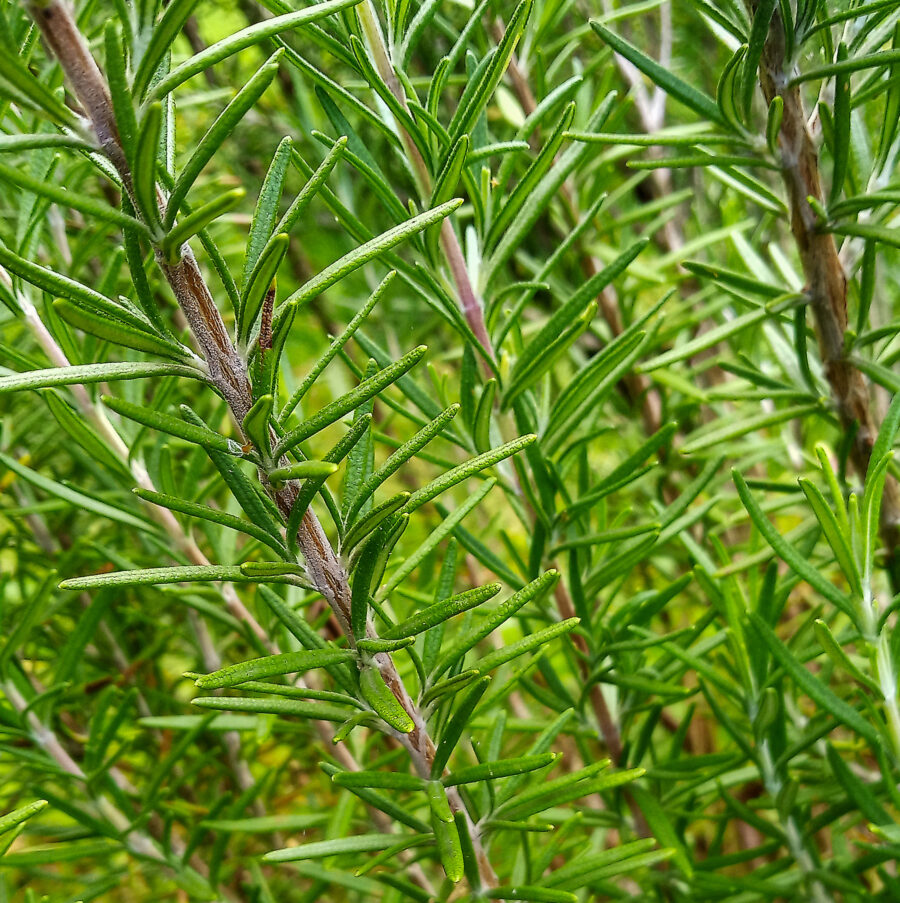
ROSEMARY (Salvia rosmarinus) Origin: Mediterranean region Active ingredients: Essential oils, phenolic acids, and flavonoids Uses: Medicinal, ritual, and culinary Used as a postpartum tonic and menstrual regulator, in infusions, baths, and smudging rituals, it was employed to alleviate melancholy and ward off “evil spirits,” it was associated with witches in medieval Europe due to its use in love potions and rituals […]
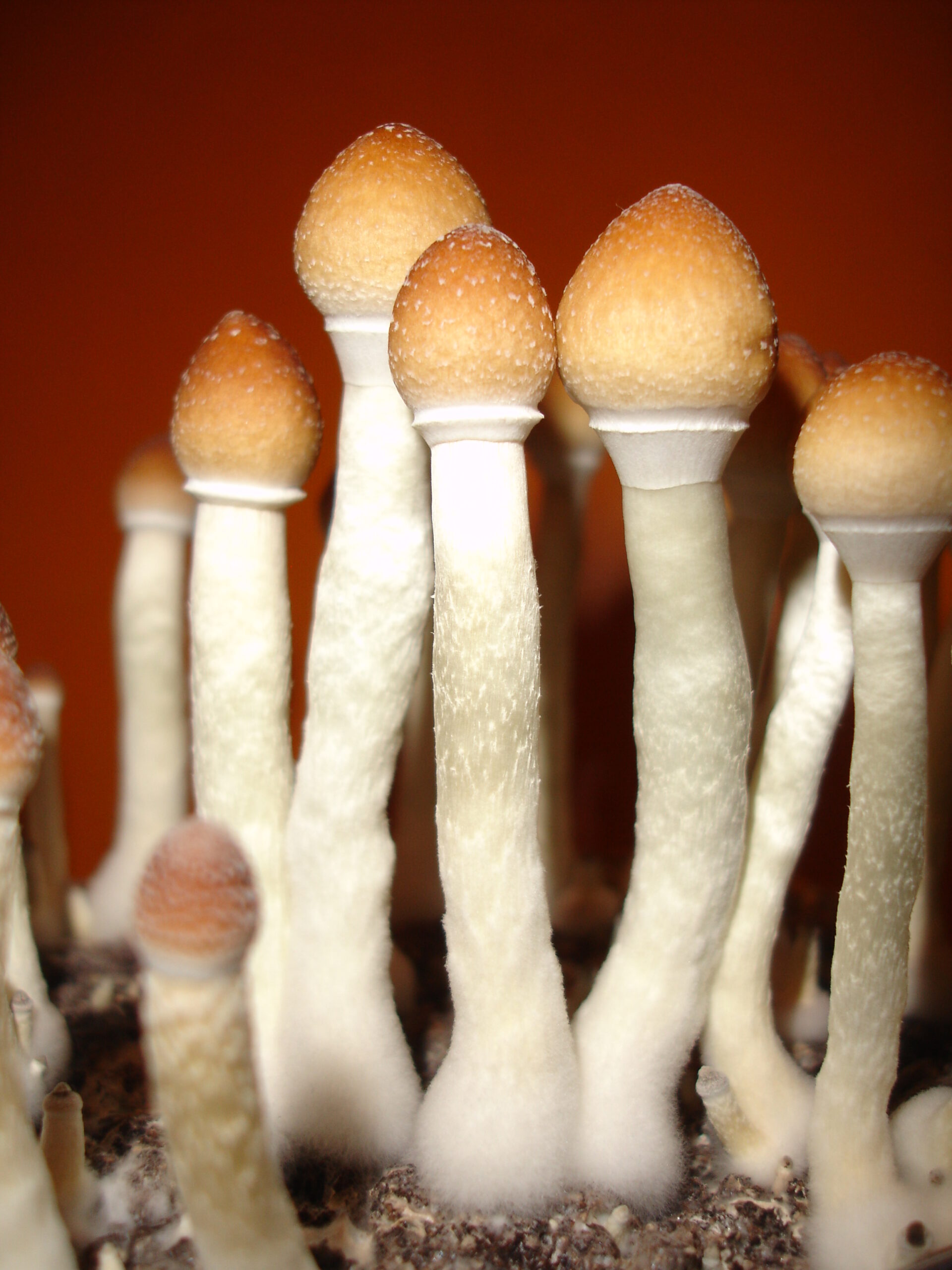
MAGIC MUSHROOMS PSILOCYBE CUBENSIS Origin: CENTRAL AND SOUTH AMERICA, SOUTHEAST ASIA, AND TROPICAL AND SUBTROPICAL REGIONS Active ingredients: PSILOCYBIN, PSILOCIN Uses: MEDICINAL, RITUAL, PSYCHOACTIVE Used by Aztec, Maya, Zapotec, and Mazatec women in rituals for physical and spiritual healing, to support women in labor, and to treat menstrual pain. Called Teonanácatl (“flesh of the gods”) by the Aztecs, they were consumed in rituals […]
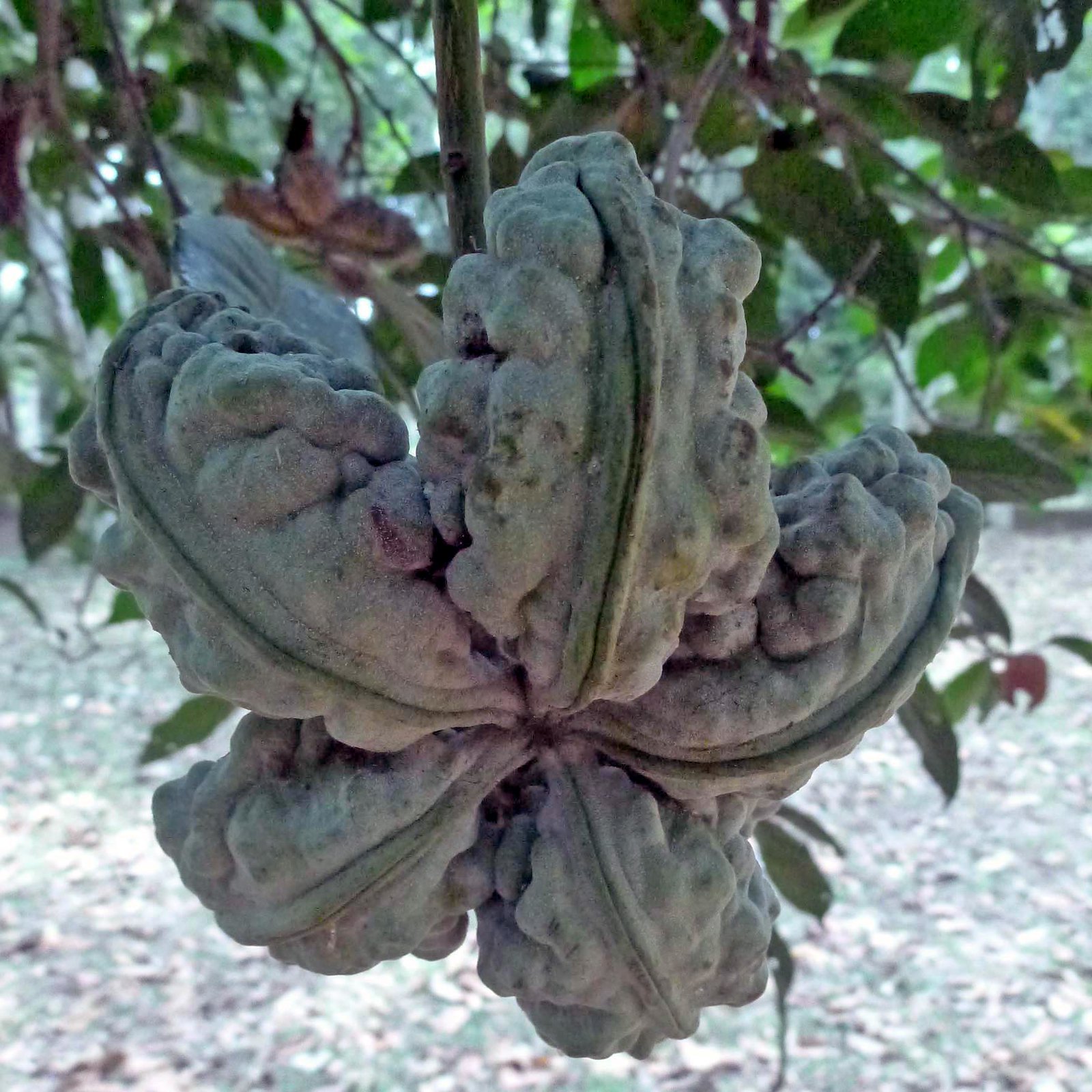
Cola acuminata Origin: TROPICAL WEST AFRICA Active ingredient: Caffeine Uses: Stimulant, social, and ritualistic. Used as a postpartum tonic and aphrodisiac in West Africa, the kola nut is shared during various social and religious activities. In Brazil, as an obí in Afro-Brazilian religions, it serves as a tool for divination and as food for the orixás. It was associated by colonizers with libido, with […]
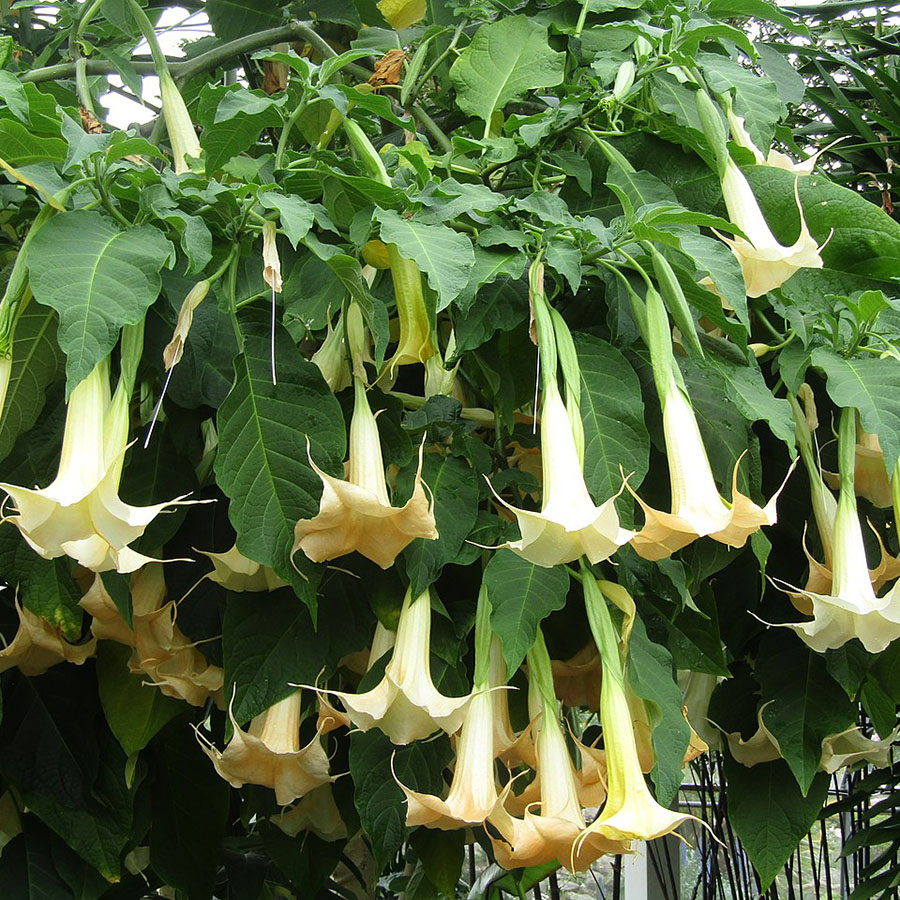
Traditional pre-Columbian cultures used Trumpet in shamanic rituals, linked to healing practices and spiritual experiences of expanding consciousness.
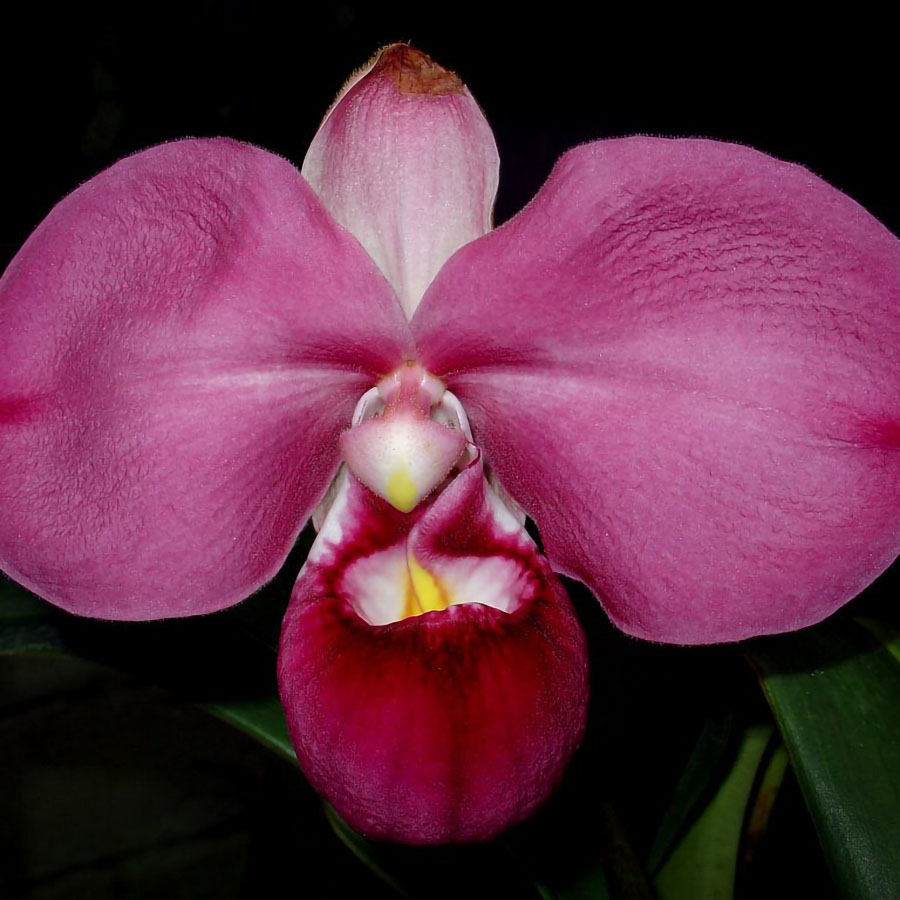
Orchids aroused intense passion during the European "orchidomania" of the 19th century. But they also inspired horror stories associated with evil women.
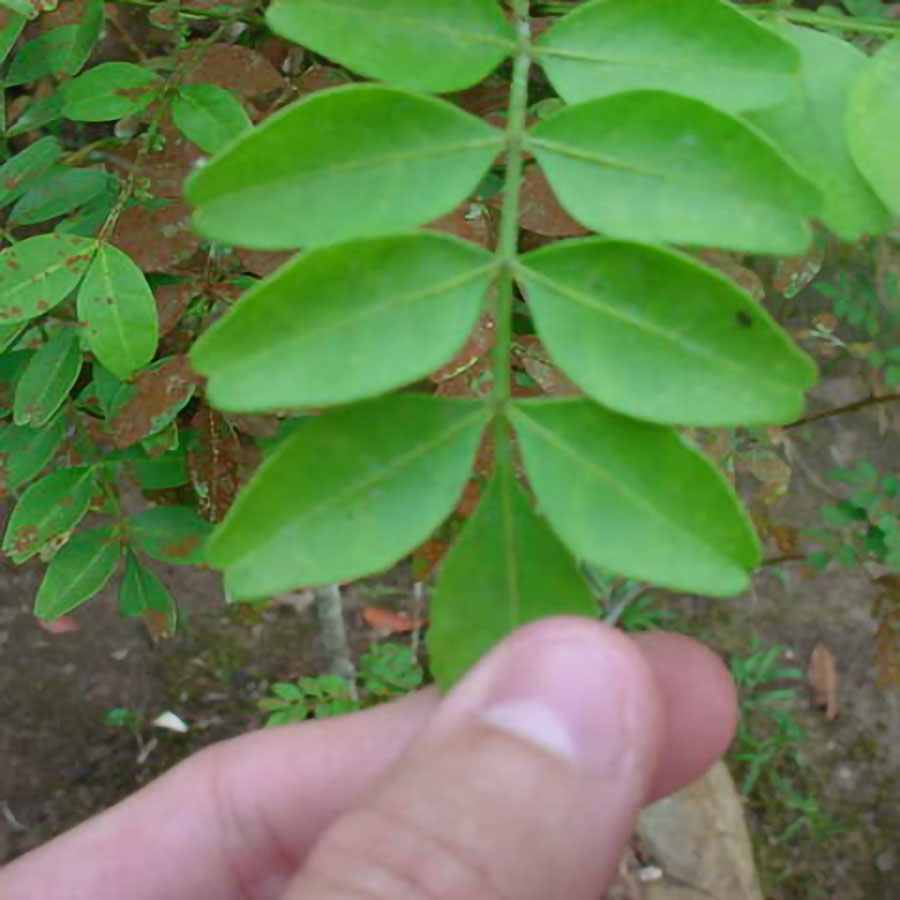
Linked to female shamans, jaborandi reflects the role of female spiritual and medicinal leadership in indigenous traditions.

Guaraná is sacred to the Sateré-Mawé (Amazon). It symbolizes vitality and renewal. Its origin is linked to the eyes of a child who died prematurely.

Mayan women used morning glory seeds in healing rituals and to induce childbirth, and the Aztecs considered them divine
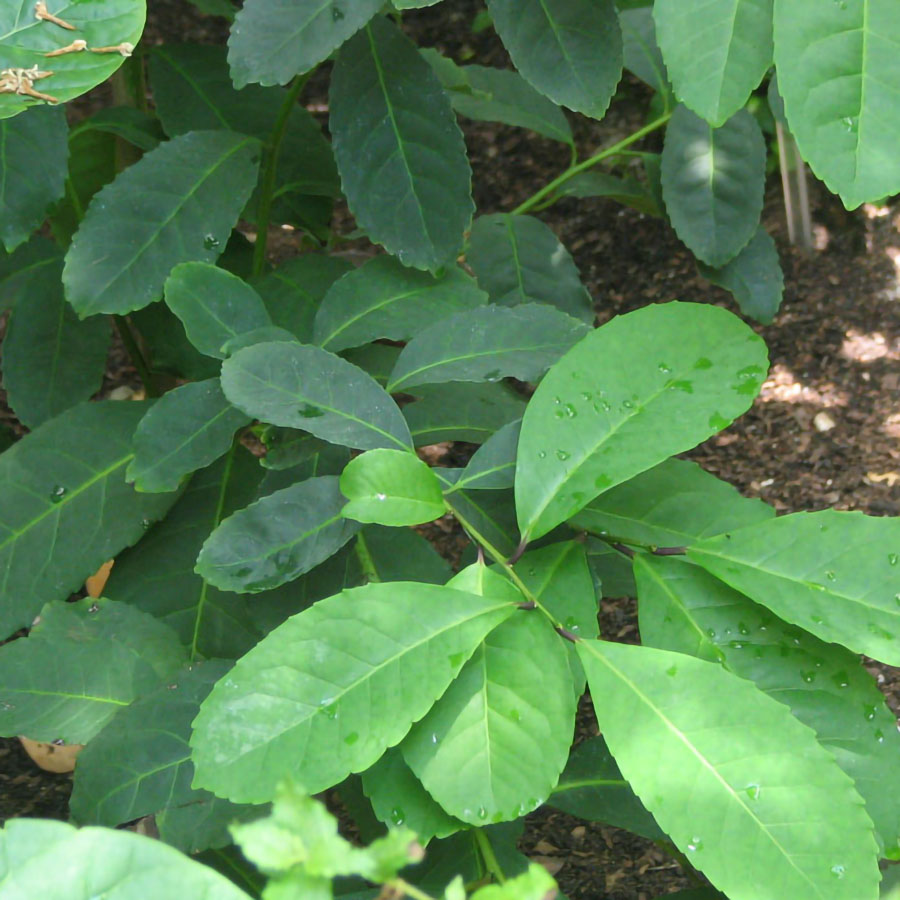
The arrival of Jesuit priests in South America in the 16th century brought mistrust of yerba mate, a sacred plant for the indigenous Guarani, associated with spiritual connection.

Rue is traditionally used by mothers-of-saints and benzedeiras in purification rituals.

Artemisia absinthium has a long history of use in women's health, relieving menstrual cramps and reproductive problems.