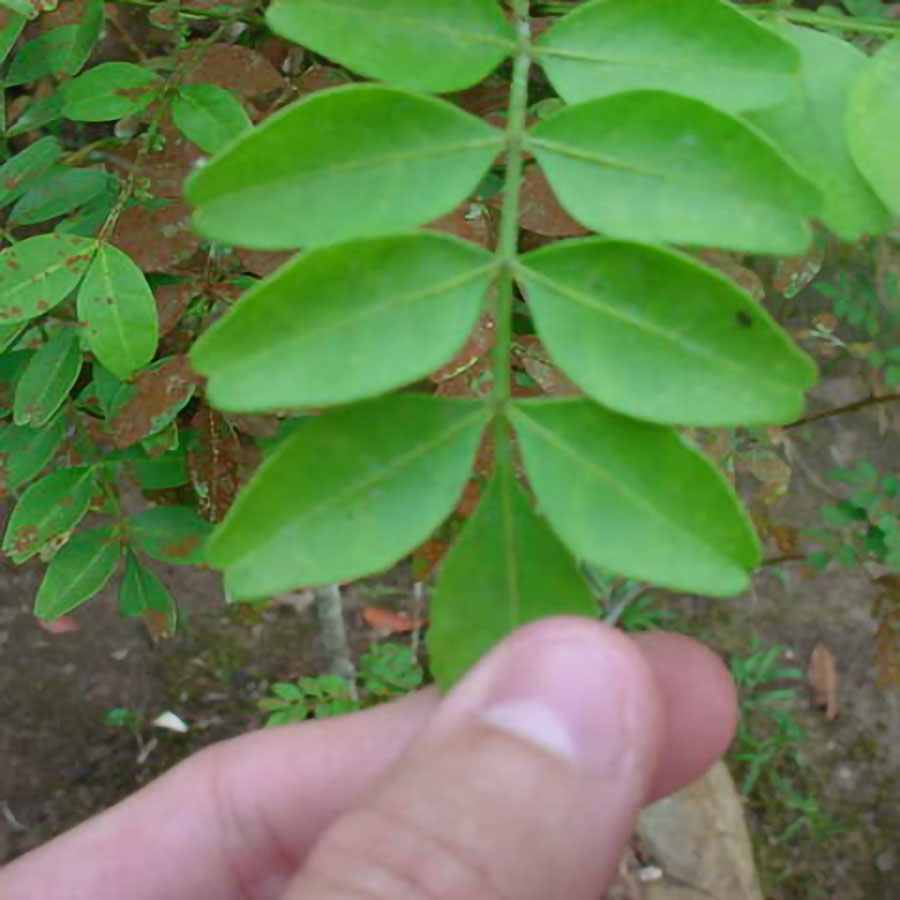
Jaborandi
PILOCARPUS JABORANDI
Origin NORTH AND NORTHEAST OF BRAZIL
Active ingredient PILOCARPINE
MEDICINAL use
The name "ya-bor-andi", of Tupi origin, means "what makes people drool", referring to the plant's property of inducing salivation. Linked to the shamans women, jaborandi reflects the role of spiritual and medicinal leadership in indigenous traditions. In 1876, the doctor Sinfrônio Coutinho introduced jaborandi to Europe, where pilocarpine was "discovered" to treat glaucoma, a property already known to the indigenous peoples indigenous peoples of Brazil and related to the wisdom preserved by the shamans, long before its recognition by Western science.
Other plants
References:
Luz, Pedro. Psychonautic Letter. Rio de Janeiro: Dantes Ed., 2015.
Ponte, Vanderlúcia da Silva. "'Woman-Pajé': Cosmopolitics of the Body in the Wira'u Haw Tenetehar-Tembé | Tellus Festival." Accessed October 6, 2024. https://tellus.ucdb.br/tellus/article/view/771.
Silveira, Maria Luiza. "Mapulu, the shaman woman: the Kamaiurá experience and the direction of indigenous feminism in Brazil." PUC-SP, 2018. https://bdtd.ibict.br/vufind/Record/PUC_SP-1_0254d5085fce4f37cbe955ea8bcbde5d.