Suspects
Exhibition at Palacio Paredes (Brazilian Embassy in Argentina), curated by Nara Cristina Santos. June 9 – July 25, 2026. Photos: Georgina García
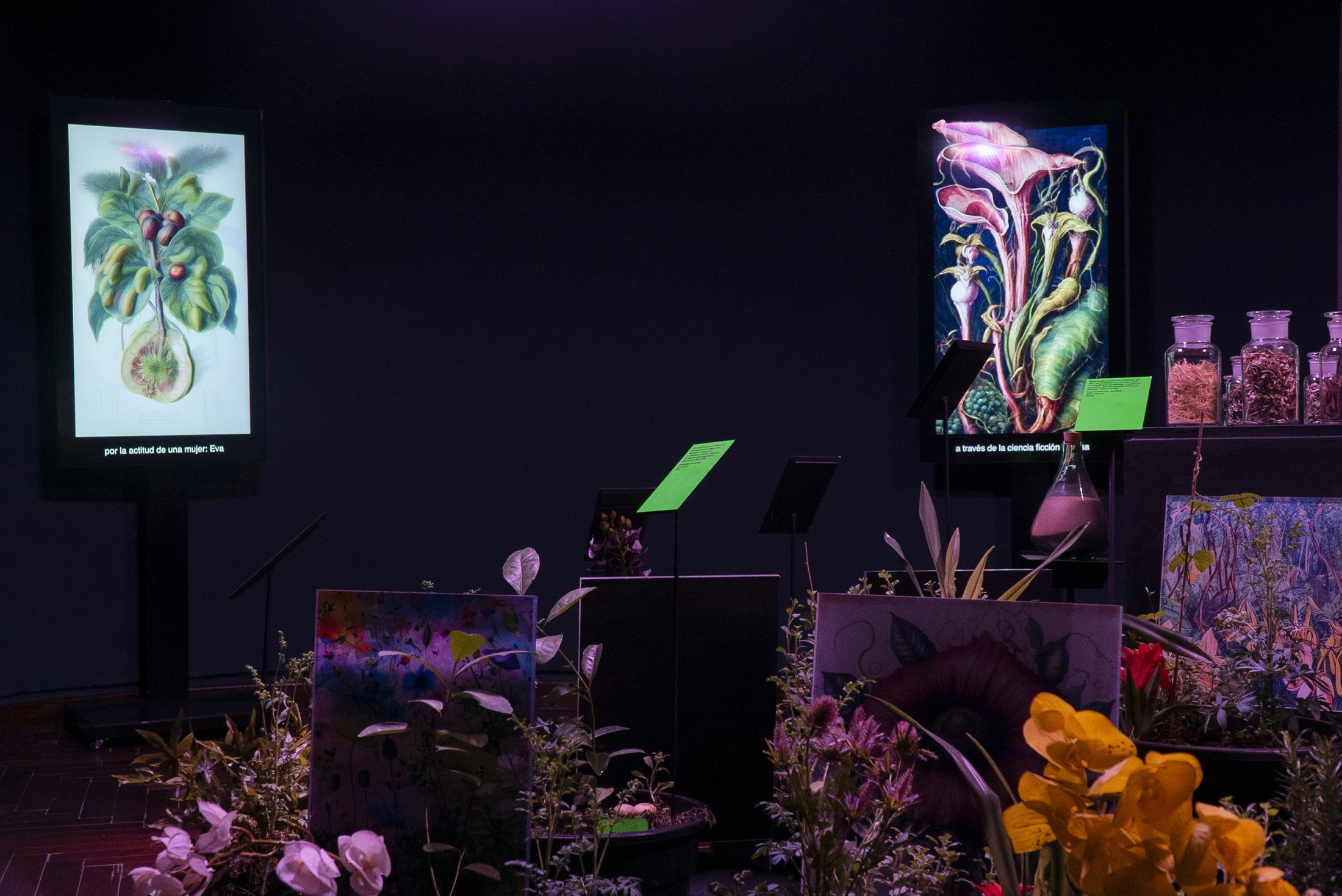
Exhibition at Palacio Paredes (Brazilian Embassy in Argentina), curated by Nara Cristina Santos. June 9 – July 25, 2026. Photos: Georgina García
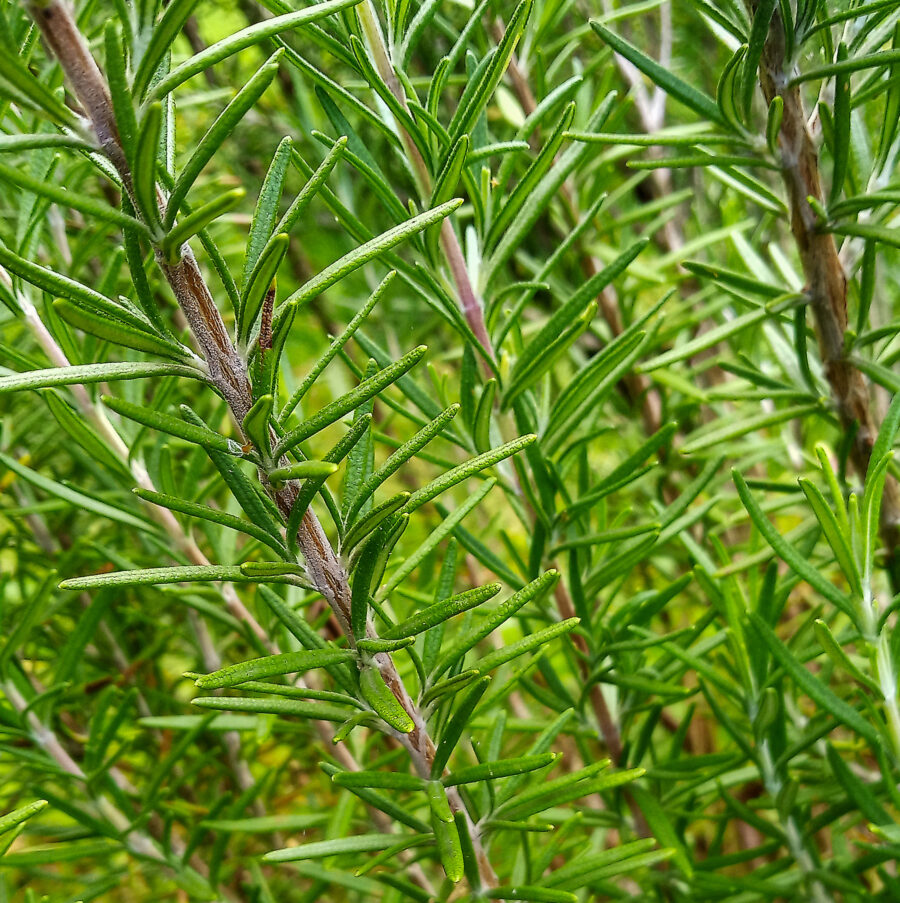
ROSEMARY (Salvia rosmarinus) Origin: Mediterranean region Active ingredients: Essential oils, phenolic acids, and flavonoids Uses: Medicinal, ritual, and culinary Used as a postpartum tonic and menstrual regulator, in infusions, baths, and smudging rituals, it was employed to alleviate melancholy and ward off “evil spirits,” it was associated with witches in medieval Europe due to its use in love potions and rituals […]
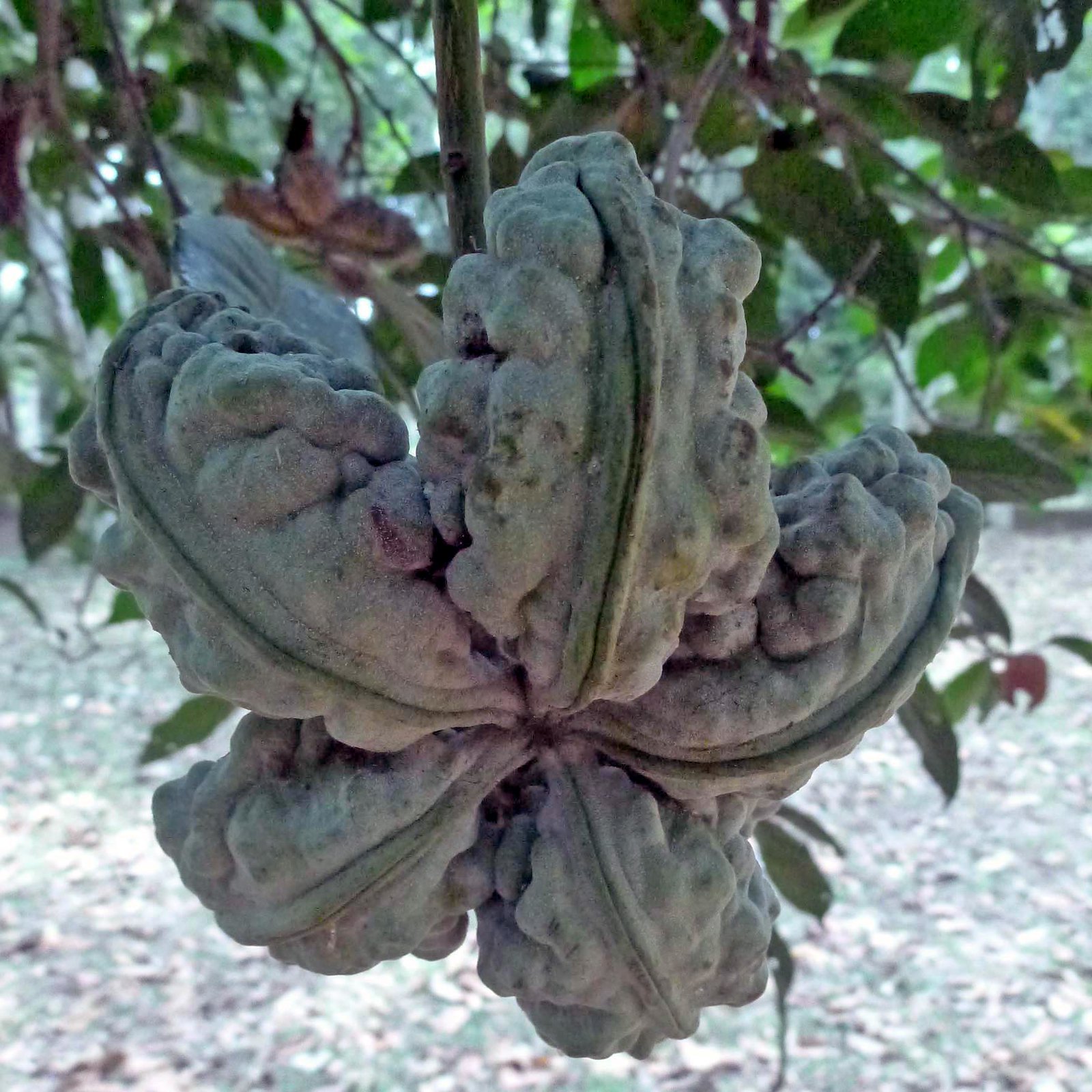
Cola acuminata Origin: TROPICAL WEST AFRICA Active ingredient: Caffeine Uses: Stimulant, social, and ritualistic. Used as a postpartum tonic and aphrodisiac in West Africa, the kola nut is shared during various social and religious activities. In Brazil, as an obí in Afro-Brazilian religions, it serves as a tool for divination and as food for the orixás. It was associated by colonizers with libido, with […]
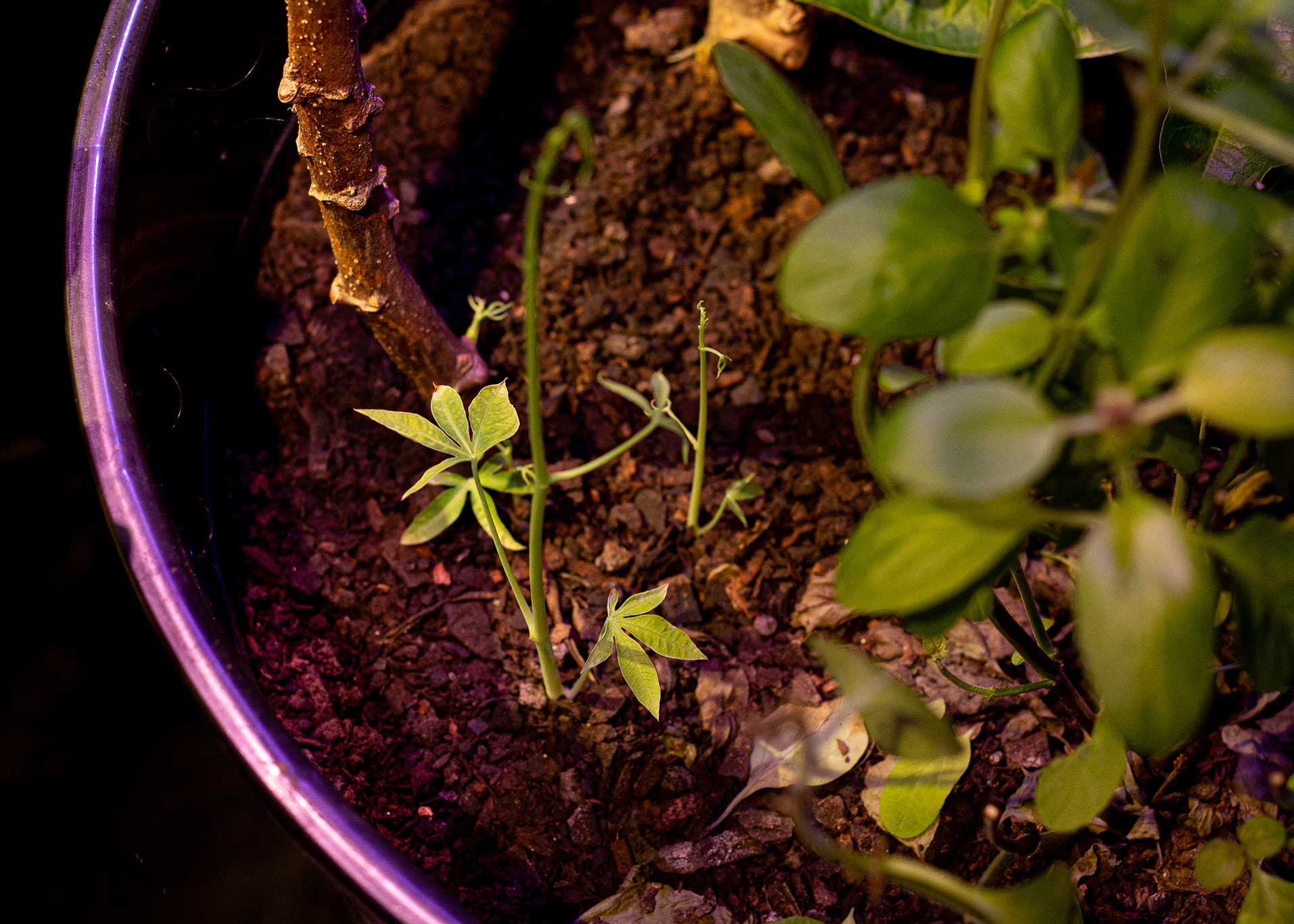
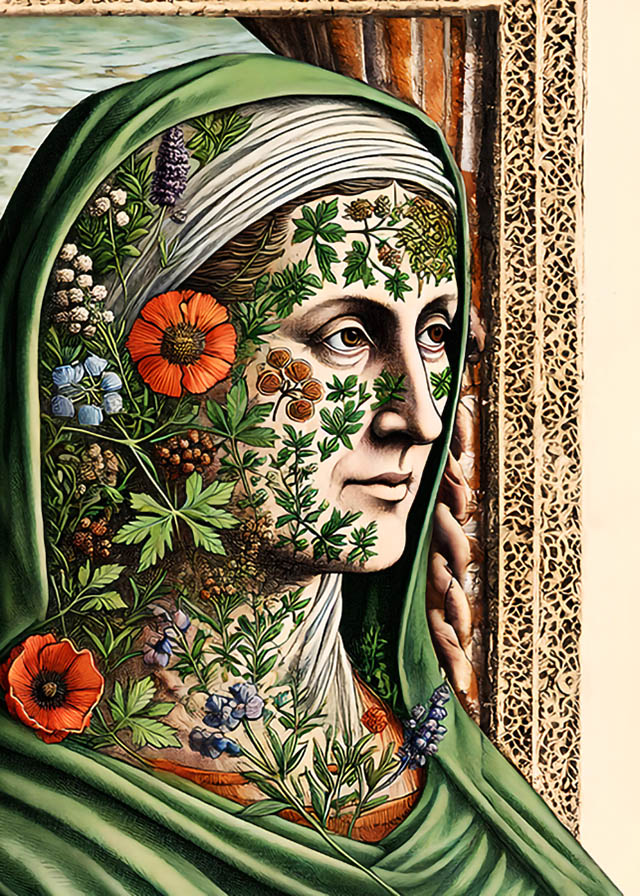
Trotula of Salerno, from the 10th century, a pioneer in women's health, wrote On the Diseases of Women. Her work was silenced and attributed to men for centuries.
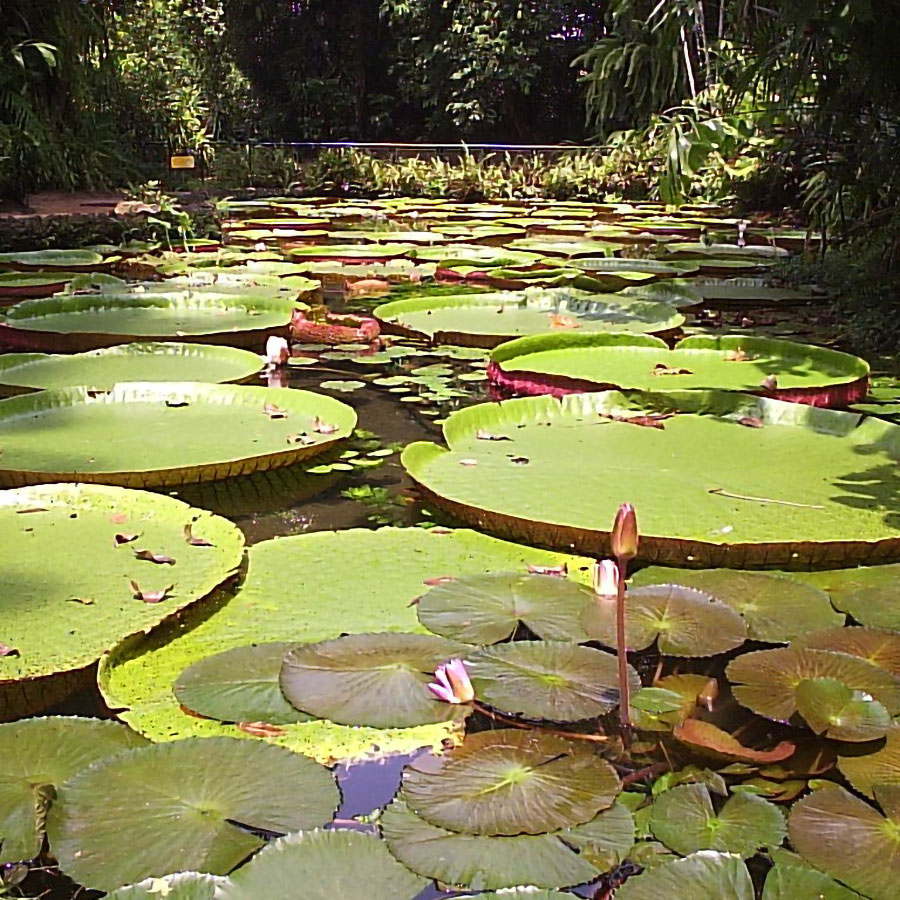
The Mayans used the white lotus for ulcers and considered it sacred. In the Amazon, the lapuna has greater symbolic value.

The use of tobacco in indigenous practices integrates spirituality, medicine and culture, with women guardians of ancestral knowledge.
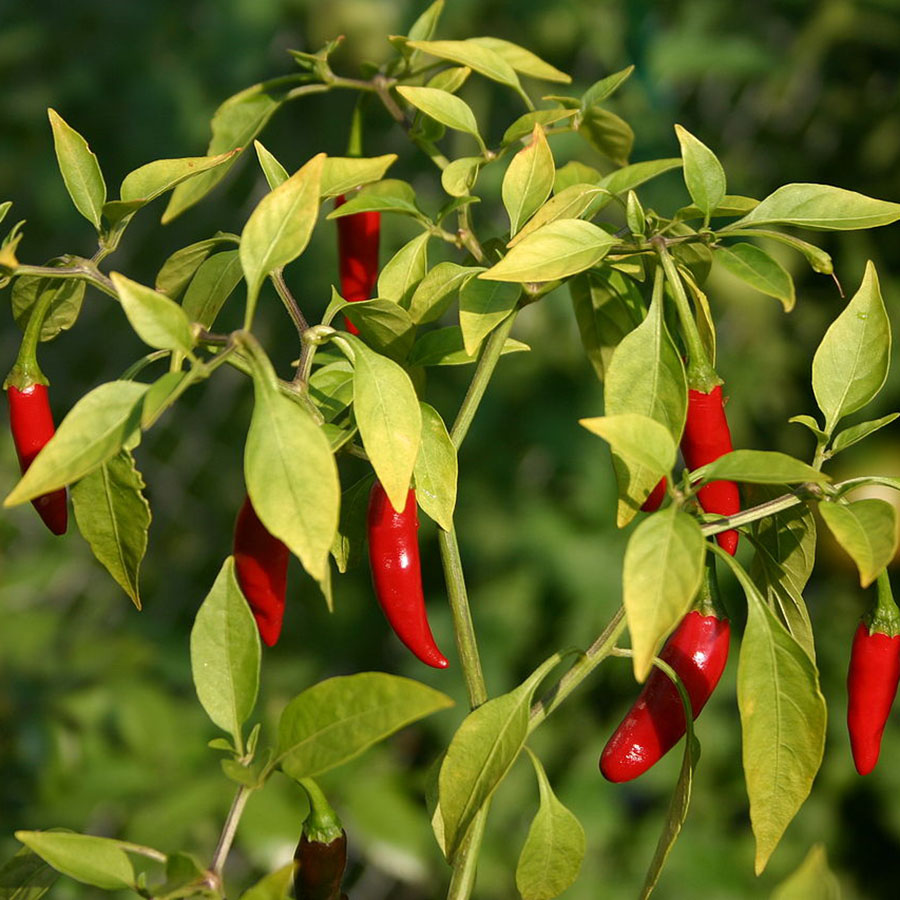
Chili peppers, seen as "primitive" by European elites, were transgressive when used by women, associated with lack of control and excessive sexuality.
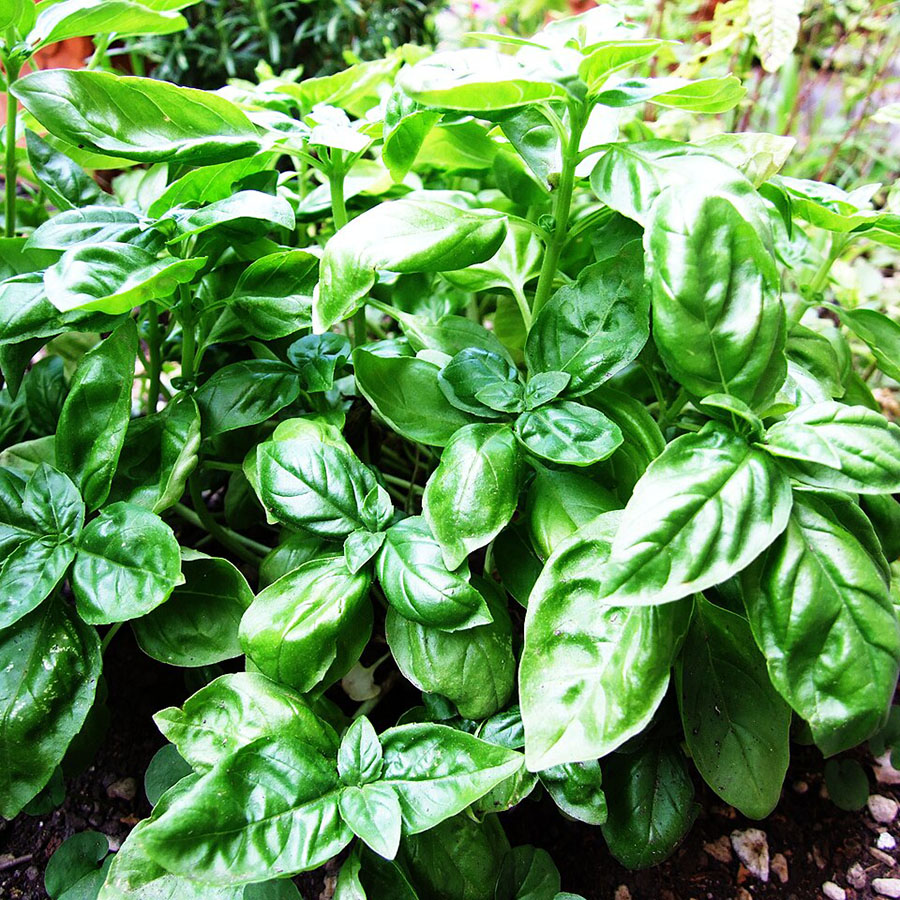
Basil has medicinal properties. A symbol of fertility and prosperity, it was associated with witchcraft in medieval Europe,

The manacá-de-cheiro has medicinal properties and is part of purification rituals in candomblé and umbanda.
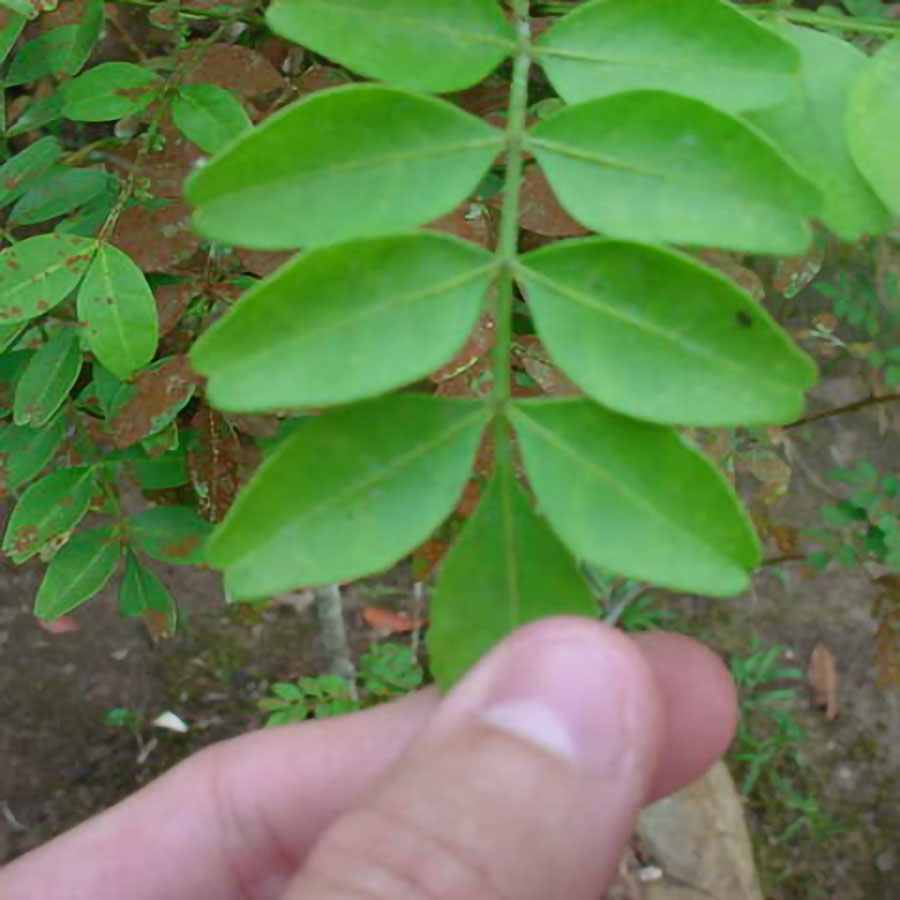
Linked to female shamans, jaborandi reflects the role of female spiritual and medicinal leadership in indigenous traditions.

Guinea, used by enslaved people in Brazil, combined bodily and spiritual healing. Its sedative effect made it known as "amansa-senhor".

Mayan women used morning glory seeds in healing rituals and to induce childbirth, and the Aztecs considered them divine
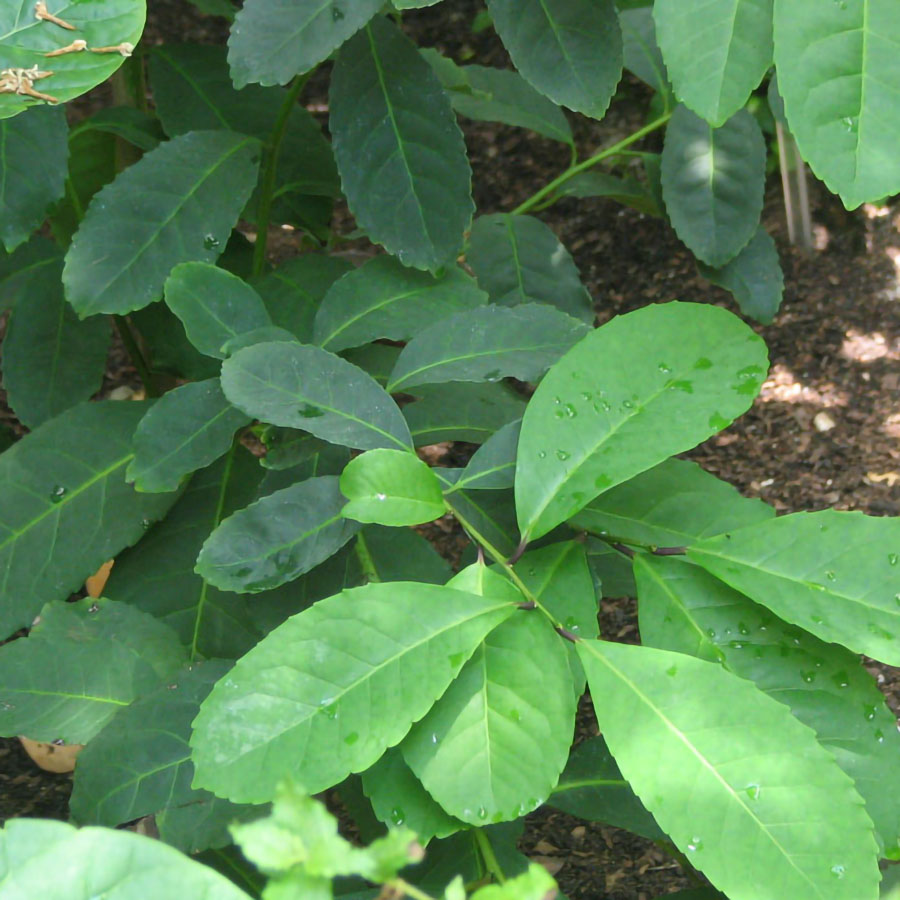
The arrival of Jesuit priests in South America in the 16th century brought mistrust of yerba mate, a sacred plant for the indigenous Guarani, associated with spiritual connection.
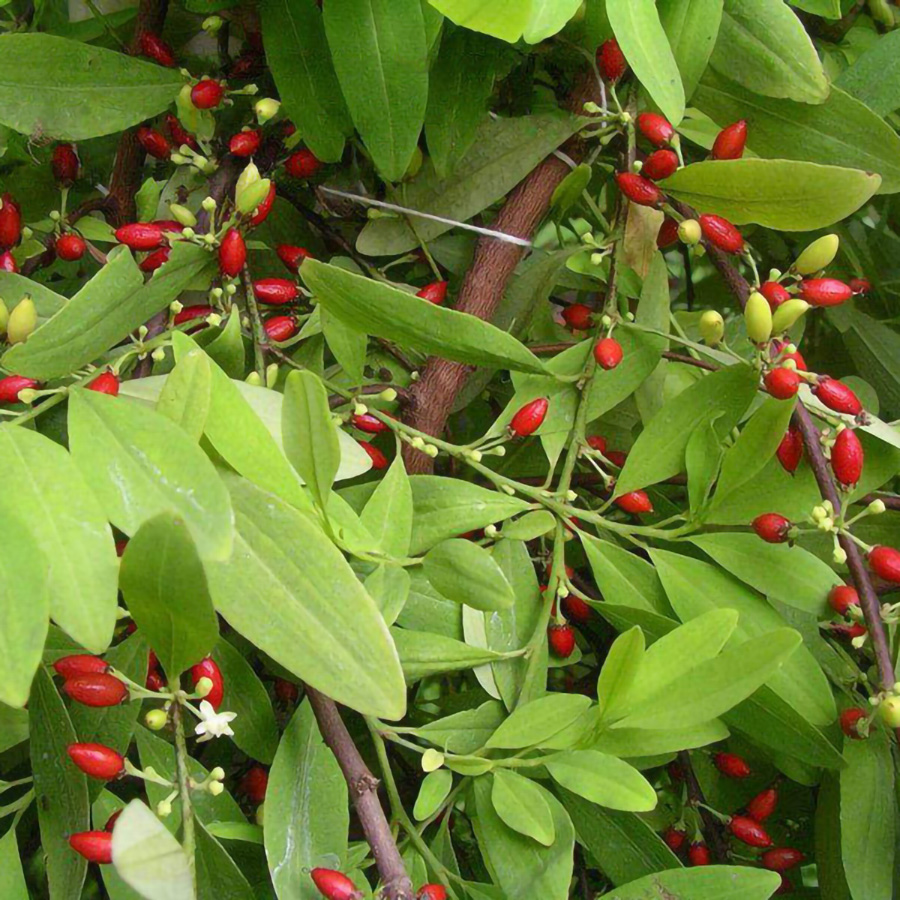
Coca has been used for more than 4,500 years. Pre-Columbian societies considered it a gift from the Sun God.

Rue is traditionally used by mothers-of-saints and benzedeiras in purification rituals.